

Oil prices fall as hopes for US-Iran deal outweigh supply disruption concerns
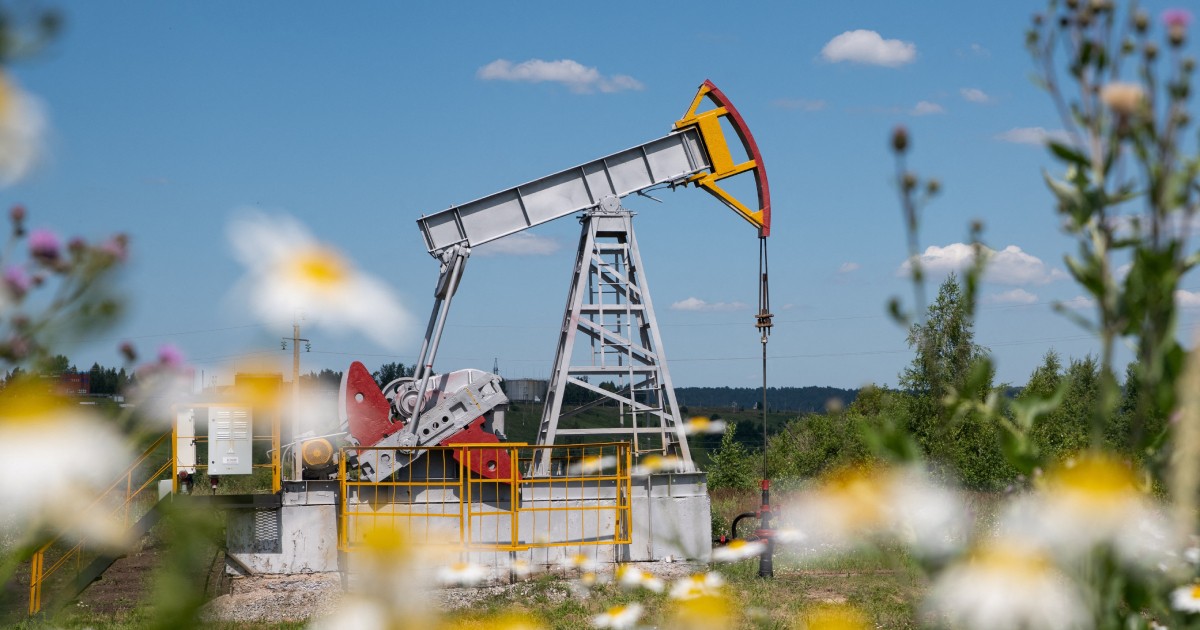
A view shows an oil pump jack outside Almetyevsk, in the Republic of Tatarstan, Russia on July 14, 2025.
PHOTO: Reuters

TOKYO — Oil prices fell in early trade on Thursday (April 16) as hopes for easing US-Iran tensions, following reports that Iran could allow ships to pass through around the Strait of Hormuz, outweighed concerns over ongoing supply disruptions.
Brent crude futures dropped 44 cents, or 0.5 per cent, to US$94.49 (S$120) a barrel at 12.21am GMT (8.21am SGT).
US West Texas Intermediate crude futures was down 70 cents, or 0.8 per cent, at US$90.59 a barrel.
Both benchmarks settled little changed on Wednesday.
The White House expressed optimism on Wednesday about reaching a deal to end the war with Iran, while also warning of increasing economic pressure against Tehran if it remains defiant.
A source briefed by Tehran told Reuters that Iran could consider allowing ships to sail freely through the Omani side of the Strait of Hormuz if a deal was reached to prevent renewed conflict.
"While there are hopes for de-escalation, many investors remain sceptical, given that US-Iran talks have repeatedly broken down even after appearing to make progress," said Toshitaka Tazawa, an analyst at Fujitomi Securities.
"Until a peace deal is reached and free navigation through the strait is restored, WTI prices are expected to continue fluctuating between US$80 and US$100," he added.
The US-Israeli war with Iran has resulted in the largest-ever disruption of global oil and gas supplies due to Iran's interruption of traffic through the strait, which handles about 20 per cent of the world's oil and liquefied natural gas flows.
US and Iranian officials were weighing a return to Pakistan for further talks as early as the coming weekend, after negotiations ended on Sunday without a breakthrough.
Mediator Pakistan's army chief arrived in Tehran on Wednesday to try to prevent a renewal of the conflict.
The US has enacted a blockade of shipping leaving Iranian ports that its military said has completely halted trade going in and out of the country by sea.
US Treasury Secretary Scott Bessent said on Wednesday that Washington will not be renewing the waivers that allowed the purchase of some Iranian and Russian oil without facing US sanctions.
Meanwhile, the US Energy Information Administration said on Wednesday that crude inventories fell by 913,000 barrels to 463.8 million barrels in the week ended April 10, compared with analysts' expectations in a Reuters poll for a 154,000-barrel rise.
[[nid:733771]]